About the route
Tiger Kingdom Phuket is the island's largest tiger-keeping centre, where you can step into an enclosure and be photographed just centimetres from an animal. The park has operated since 2013 (part of a chain with branches in Chiang Mai and Phuket) and keeps around 50 Bengal and Indochinese tigers of various ages — from newborn 2-month-old cubs to adult males of 100–250 kg. This is not a wildlife reserve or rehabilitation centre but a specialised commercial venue for contact photos — worth understanding upfront when choosing. In all 12 years of operation there has been a single documented injury incident, in 2014. Tickets are by level: one level 900฿, all three combined — 1,900฿.
Getting there from Patong
10 km and 15 minutes from Patong via Kathu to Chalong, at the foot of the Big Buddha hill on Highway 4021. From Rawai and Chalong itself it's 5 minutes, from Karon and Kata 10–15, from Kamala 30, from the airport 50, and from Surin and Bang Tao 45. The signs for Tiger Kingdom Phuket are large — you won't miss it. Parking on site is large, free and covered for cars and scooters, with security on duty. At the entrance there are ticket desks, a souvenir shop and a café with Thai and Western cuisine (200–400฿). The desk accepts cash and Visa/Mastercard. Registration takes 5–10 minutes; you'll need to fill in and sign a waiver form acknowledging the risks. All interactions with the tigers take place strictly under the trainers' supervision.
Access levels
The ticket consists of access 'levels' to different enclosures. 'Big Tigers' (2 years and up, 100–250 kg, Bengal males) — a photo session with the tiger lying down, your hand on its back or tail; front-on shots are not permitted. 'Medium' (1–2 years) — more active, they may stretch and roll over, for a total of 10–15 minutes. 'Small' (6–12 months) — almost tame kitties of 30–60 kg, which you can pet and bottle-feed. 'Newborn' cubs (2–6 months) — the most endearing, held on your lap, with milk feeding. One level is 900฿, all three (excluding newborns) — 1,900฿, and newborns separately for 1,500฿. Each enclosure has 2–3 experienced Thai trainers, and a professional photographer takes 30–50 shots and video (you can buy a memory card for ~1,500฿ or have shots taken on your own device via a photo assistant).
When to go
Open daily from 09:00 to 17:30, with the last ticket sold at 16:30. The coolest and best time to visit is the morning, 9:00–11:00, when the tigers are more active, playing and training: you'll get more dynamic shots and video. In the midday heat (12:00–15:00) the tigers mostly sleep in the shade, so shots come out 'lying down' — static and calm, handy for photos with yourself but not for action. After 16:00 they're active again, before their evening meal. In high season there can be a 30–60 minute queue for the top levels on weekend mornings; weekdays are quieter, especially Tuesday–Thursday. In the rain, operations continue, with the tigers in covered enclosures. A full visit with all three levels and a photo session takes 2–3 hours.
Safety and rules
In the park's 12 years of operation there has been one serious guest-injury incident, in 2014, when a tourist violated a trainer's direct instruction and approached a tiger from the head. The rules are strict and dangerous to break. Always sit and stand with the tiger behind and to the side (not in front), with your hand on its back or at the base of its tail, no sudden movements, no leaning over the tiger and no loud noises. Don't point at its face and don't try to hug its neck. Dress code: bright colours (especially orange, red, white), flowing fabrics, scarves and beltless dresses are prohibited — tigers react to movement. Leave backpacks in the lockers. Entering an enclosure drunk or showing signs of intoxication is strictly forbidden — the trainers check and security won't let you in. With children under 4, only cubs are allowed.
The ethical side
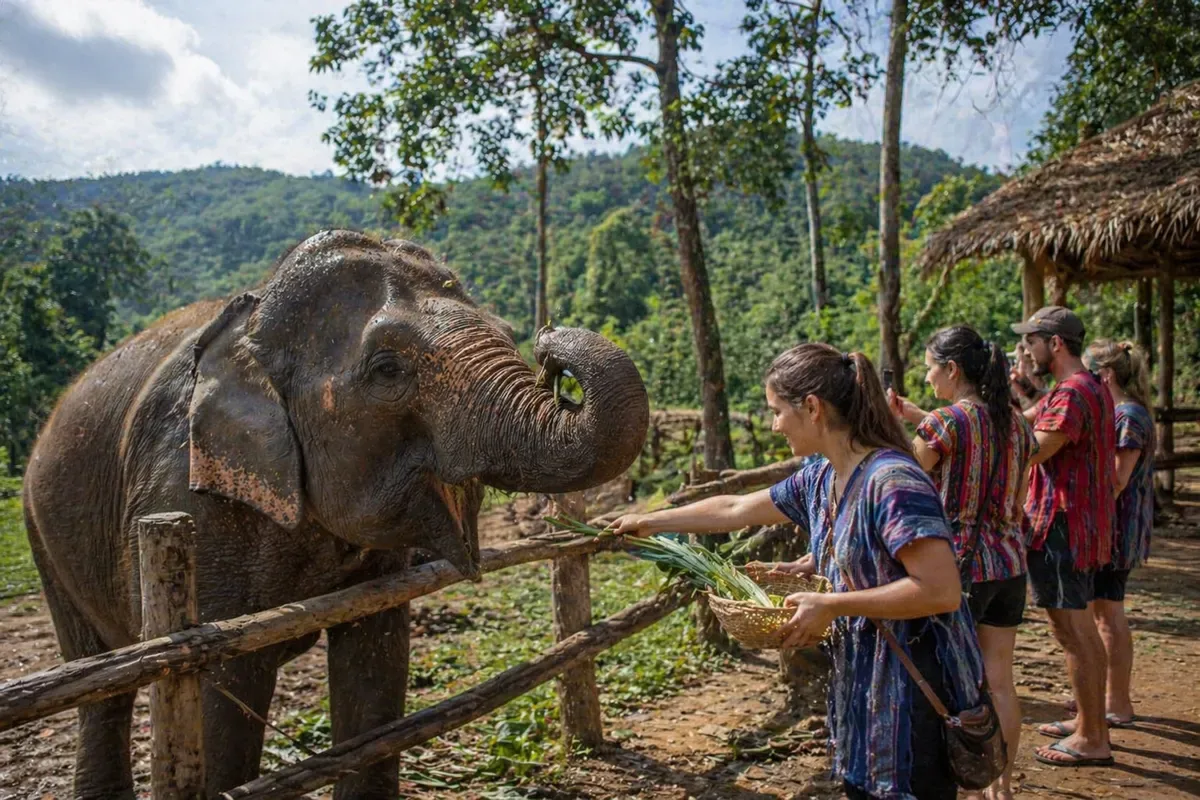
The tigers at Tiger Kingdom have been raised in captivity from birth and accustomed to people from their first weeks of life — which explains their relatively calm behaviour in the enclosures with guests. According to the park and observations by independent vets, the tigers are not drugged with narcotics or tranquillisers, though fatigue from human attention and their regular feeding schedule also play a part. The park declares that some of its profits go towards tiger conservation programmes in Southeast Asia and its own breeding project. If you are strictly opposed to contact zoos with wild animals and believe the keeping conditions don't meet the species' welfare needs (the enclosures are small, and there is criticism from animal-rights organisations), don't book the tour. An alternative is the ethical Phuket Elephant Sanctuary, with no riding or contact.
Who it suits
Guests aged 16+ may go to the adult tigers (Big Tigers), while children aged 4 to 16 may only visit the small cubs and newborns, under mandatory parental supervision. Children under 4 are not admitted to any tiger enclosures, but they can watch from the viewing platforms outside. It's not suitable during pregnancy (refused at any stage), for those with a strong fear of felines or phobias of large predators, with impaired coordination or nervous-system conditions, when heavily intoxicated, or under the influence of psychotropic drugs. Those allergic to cat fur should be aware — the contact is direct. If you have chronic cardiovascular problems, the stress of being close to a tiger is real, so assess your own limits. The dress code and waiver at the entrance are mandatory for everyone.
The highlight of the route
The main find of the trip is Photos with tigers in enclosures. It is worth the trip, and we recommend planning your timing around it: arrange your arrival so you can take the place in without rushing.
Where to eat nearby
We picked trusted restaurants in the area — to stop by before or after your trip.

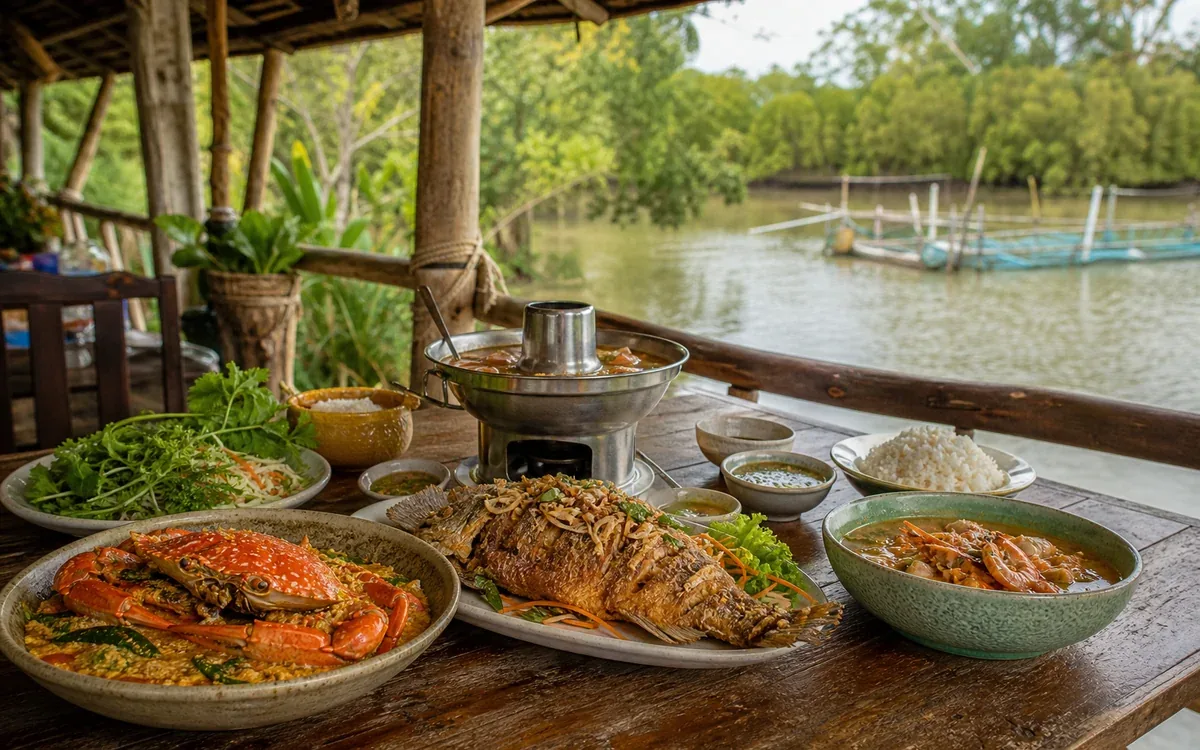
Mor Mu Dong
★ 4.5Verandas over a shrimp farm in the mangroves
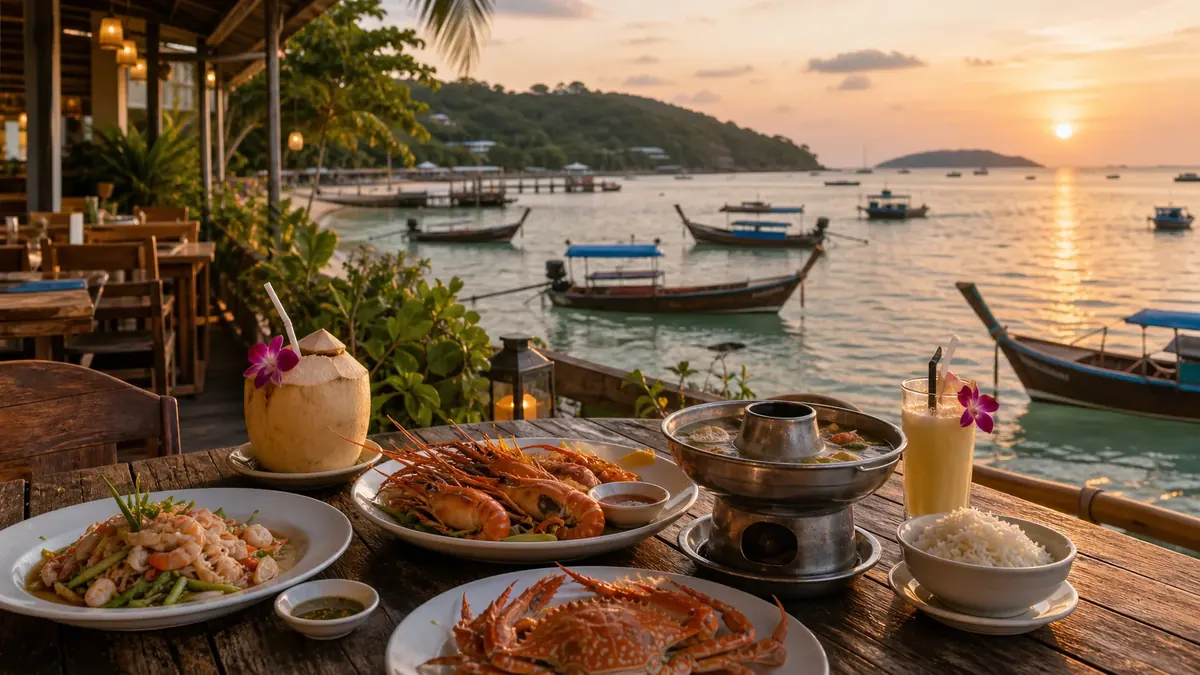
We Cafe
★ 4.6The island's best breakfasts — 5 locations across Phuket
How to get there
A rental car is the easiest way: the route point opens in Google Maps with one tap below. Choose a car right from here — a crossover is better for mountain roads, a compact hatchback is enough for the city.